- Services
- General Dentistry
Maintain a healthy, confident smile for life with comprehensive oral health services and preventive care tailored to every stage of your journey.
- Cosmetic

Explore cosmetic dental treatments designed to boost your daily confidence with subtle, natural-looking results that reflect who you are.
- Restorative
Regain full function, comfort, and confidence with advanced restorative dental solutions tailored to your unique needs.
- Specialty Care
Explore advanced dental treatments designed to restore your comfort and improve your quality of life at Melbourne Dental Studio.
- Emergency

Receive immediate, expert emergency dental care for trauma and pain with restorative solutions designed to stabilise your smile and provide lasting relief.
- General Dentistry
- Resources
- Aftercare

Fast, supportive urgent care that relieves pain quickly and restores peace of mind when you need it most.
- Finance Options

We accept major health funds, and our convenient financing options allow you to achieve the healthy, bright smile.
- Aftercare

Temporomandibular Joint
Disorder Treatment
What is TMJ disorder?
The temporomandibular joints (TMJ) are the two hinges connecting your lower jaw to your skull, located just in front of each ear. These complex joints allow you to talk, chew, and yawn. Temporomandibular joint disorder treatment is necessary when these joints or the surrounding muscles become inflamed, misaligned, or overworked — often resulting in jaw pain.
At Melbourne Dental Studio, we understand that jaw pain isn’t just a dental issue; it’s a quality-of-life issue. Whether your discomfort is caused by Bruxism/Teeth Grinding, a misaligned bite, or lifestyle stress, your TMJ disorder dentist will look at the bigger picture to find a path to relief. We focus on non-surgical therapies that aim to reduce inflammation and restore smooth, pain-free movement to your jaw.



Key benefits of TMJ treatment
- Provides effective TMJ pain relief by addressing the underlying cause of muscle tension and joint inflammation.
- Can help reduce secondary symptoms such as chronic headaches, earaches, and neck pain, which are often associated with jaw dysfunction.
- Utilises custom-made bite splints to protect your teeth from the damaging effects of nighttime clenching.
- Offers a tailored approach to clicking jaw treatment, helping to stabilise the joint and prevent ‘locking.’
- Improves overall daily comfort, making simple tasks like eating and speaking effortless again.


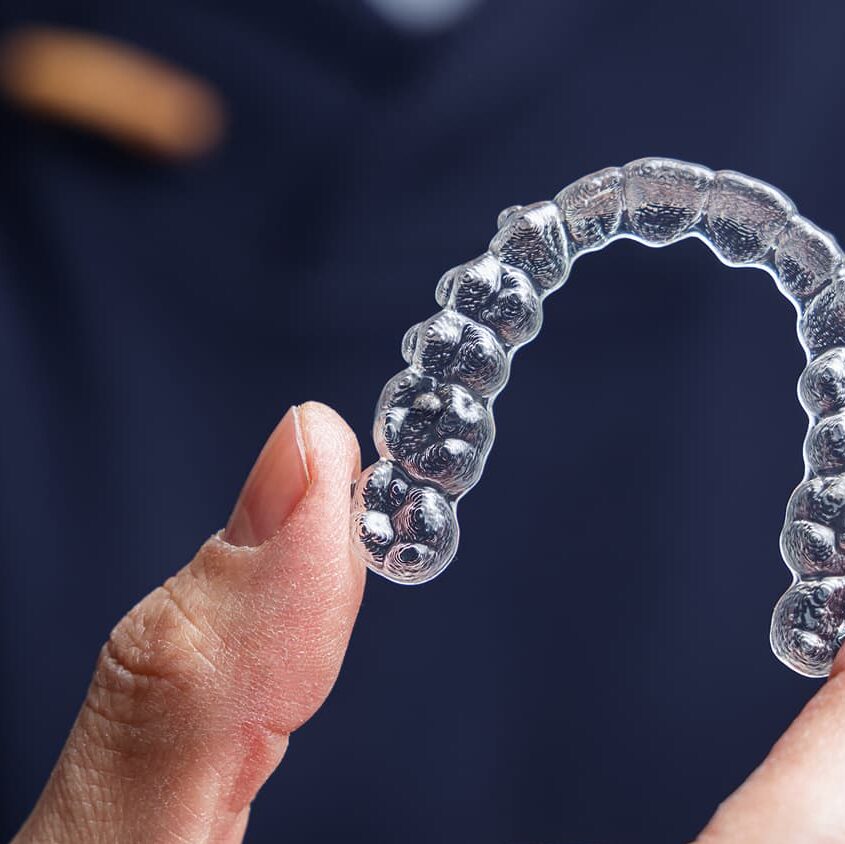
If your TMJ pain is linked to clenching or grinding, these medical-grade splints act as a protective barrier for your smile. This significantly reduces the workload on your joints while you sleep, allowing inflammation to settle and the area to heal naturally.

We can guide you through targeted jaw-stretching exercises, the correct use of heat or cold compresses, and relaxation techniques to decompress the joint. For many of our patients, simply managing daily stress levels or switching to a softer diet during flare-ups can make a big difference.
For cases where splints and lifestyle changes aren’t quite enough to break the cycle of pain, your jaw pain treatment dentist might use injectables to temporarily relax the specific muscles responsible for heavy clenching.
Why choose Melbourne Dental Studio for TMJ pain relief
Living with a clicking jaw or persistent facial pain can be exhausting, and we believe your treatment journey shouldn’t add to that stress. At Melbourne Dental Studio, we’ve moved away from the traditional cold, high-pressure clinical model to create a boutique environment where your comfort is our priority. We take the time to listen to your specific symptoms before diving into a plan.
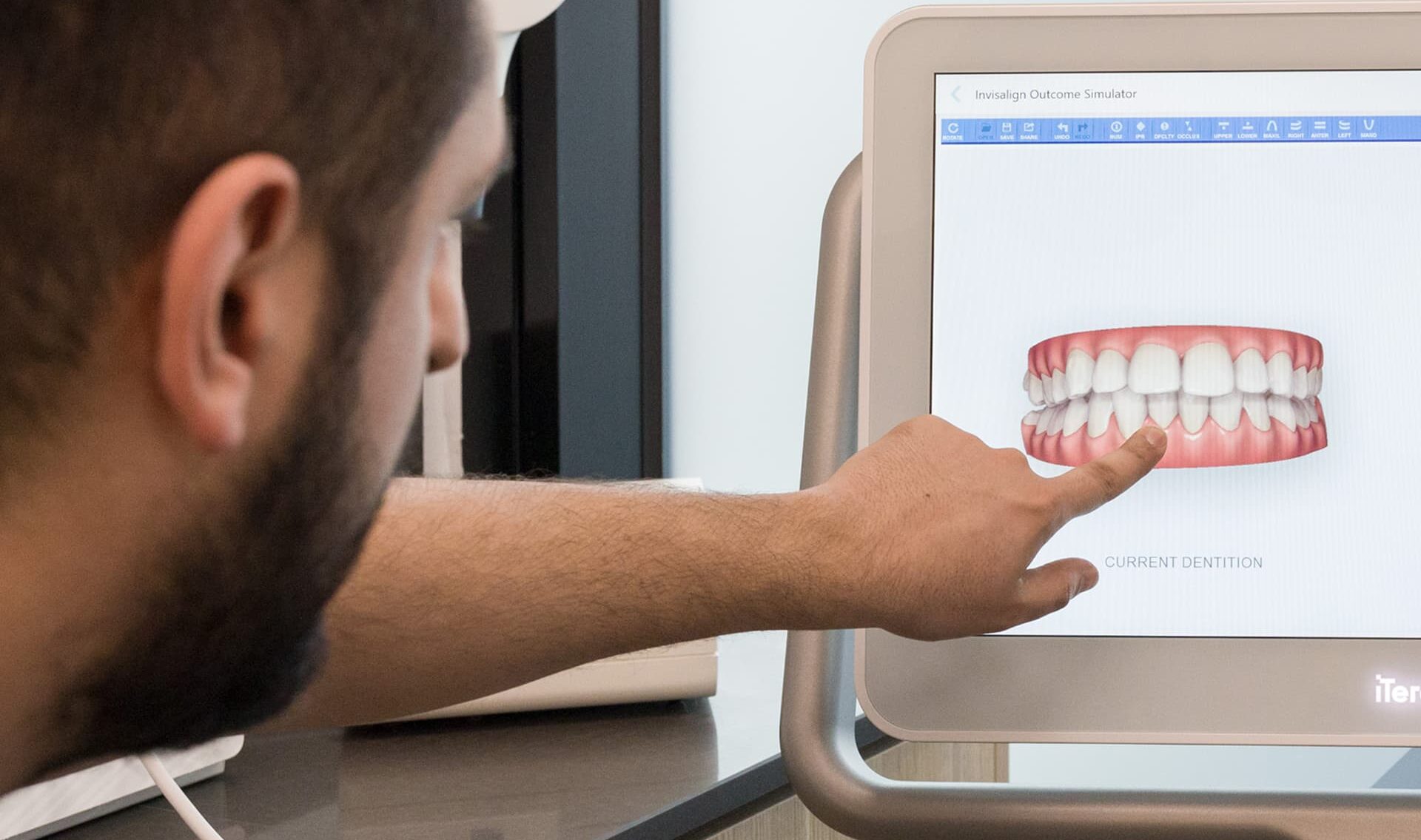
As a leading TMJ dentist in Melbourne, our team utilises innovative intraoral scanning, which is a game-changer for patients who may find it painful to open their mouths wide for long periods. As a family-owned practice, we provide clear, assertive guidance for everyone — from executives managing high-stress schedules to parents concerned about their child’s jaw development during Children’s Dentistry checkups.


getting TMJ treatment

Aftercare & maintenance
for TMJ treatment
If you use a custom mouth guard, keep it clean with cool water and a soft brush to prevent bacterial buildup. During flare-ups, simple steps like applying warm compresses to the jawline and sticking to softer foods can provide significant relief.
Regular dental checkup & cleanings are vital to ensure your bite remains balanced and your splint still fits correctly. If you also have concerns about persistent toothaches, we can evaluate whether the issue is joint-related or whether it’s time for a consultation about wisdom tooth removal, as the symptoms can sometimes overlap.
Frequently asked
questions about TMJ
-
There is rarely a single cause, but common factors include teeth grinding (bruxism), jaw injury, or a misaligned bite. Stress often plays a major role, as it can lead to subconscious jaw clenching throughout the day and night.
-
We primarily focus on non-surgical therapies for TMJ pain relief, such as custom-made bite splints that prevent the jaw from fully contracting. We also provide guidance on lifestyle changes, including specific jaw exercises and stress management techniques to reduce muscle tension.
-
Yes, chronic grinding or clenching puts a lot of pressure on the temporomandibular joints and the surrounding muscles. Over time, this constant strain can lead to inflammation, clicking, and the persistent pain associated with TMJ disorder.
-
Symptoms of TMJ disorder can vary significantly, but most commonly include persistent jaw pain (including while chewing), pain in and around the ear, and a restricted or ‘locking’ sensation in the joint. Many people also experience radiating discomfort, like chronic headaches and neck tension, stemming from the overworked jaw muscles.
-
You should book an appointment if you experience persistent pain, a clicking sound accompanied by discomfort, or if your jaw feels like it is locking. As a leading TMJ dentist Melbourne-wide, we are happy to help!
-
Wisdom tooth pain usually feels like a dull, constant ache or swelling at the very back of your gums. In contrast, TMJ issues are centred around the jaw joint and often involve clicking, popping, or a locking sensation. While impacted teeth cause localised inflammation, TMJ discomfort more often radiates toward your ears or temples and feels more like deep muscle tension than a specific toothache.
Put jaw pain where it belongs — in the past!
You deserve to eat, speak, and laugh without the distraction of jaw pain. Let’s work together to ease the tension and help you feel your best again!

care treatments