- Services
- General Dentistry

Maintain a healthy, confident smile for life with comprehensive oral health services and preventive care tailored to every stage of your journey.
- Cosmetic

Explore cosmetic dental treatments designed to boost your daily confidence with subtle, natural-looking results that reflect who you are.
- Restorative
Regain full function, comfort, and confidence with advanced restorative dental solutions tailored to your unique needs.
- Specialty Care

Explore advanced dental treatments designed to restore your comfort and improve your quality of life at Melbourne Dental Studio.
- Emergency

Receive immediate, expert emergency dental care for trauma and pain with restorative solutions designed to stabilise your smile and provide lasting relief.
- General Dentistry
- Resources
- Aftercare

Fast, supportive urgent care that relieves pain quickly and restores peace of mind when you need it most.
- Finance Options

We accept major health funds, and our convenient financing options allow you to achieve the healthy, bright smile.
- Aftercare

Gum Disease Treatment
What is gum disease treatment?
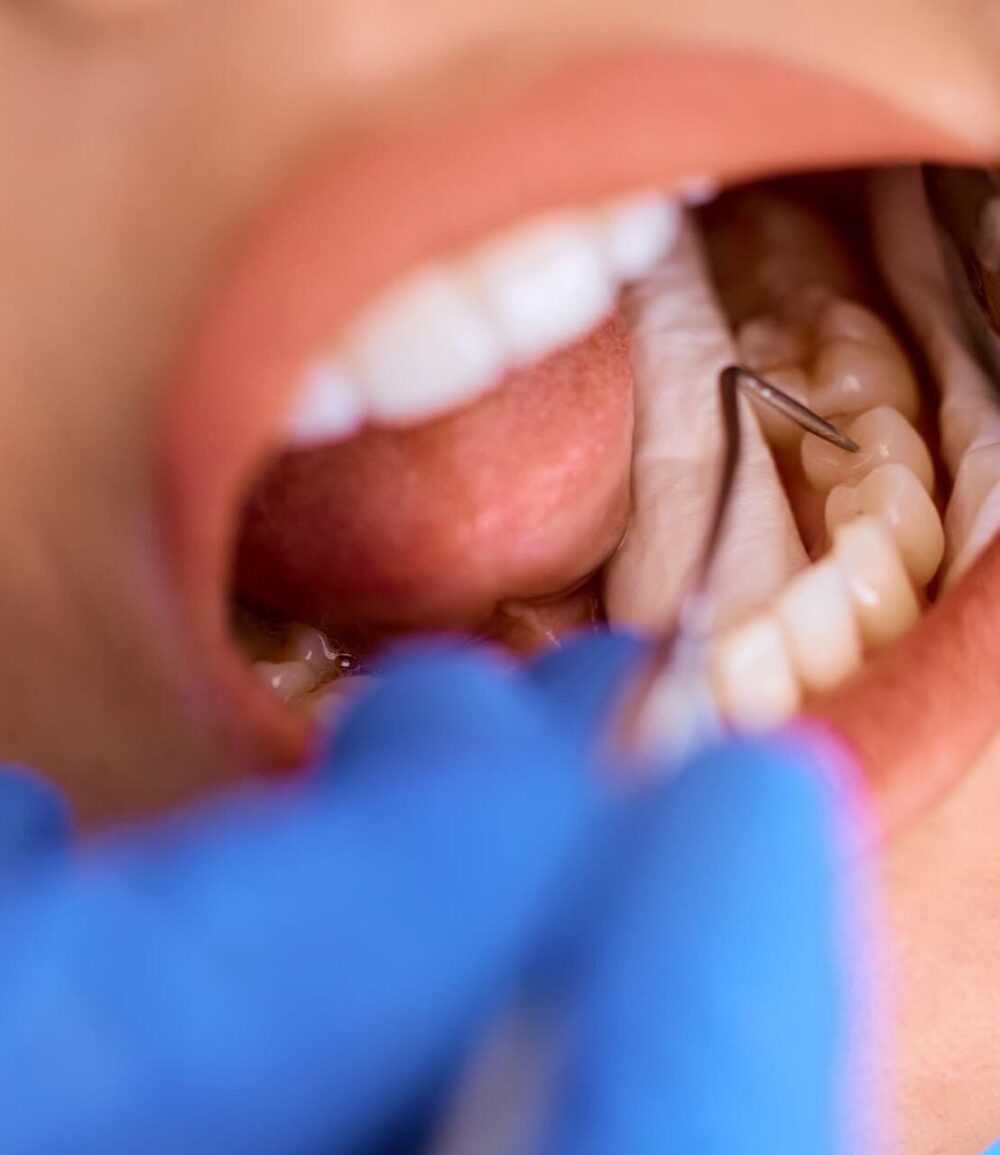
Gum disease treatment is focused on controlling infection in the tissues that support your teeth — including the gums, bone, and surrounding ligaments. Gum disease is often identified during a routine dental check-up and cleaning, though some patients come in sooner after noticing discomfort.
Early-stage gum disease begins as gingivitis, marked by inflammation, redness, and bleeding when brushing. At this stage, the damage is usually reversible with professional cleaning and improved home care. If left untreated, it can progress to periodontitis — a more advanced condition that affects the bone supporting your teeth and may lead to loosening or tooth loss over time.
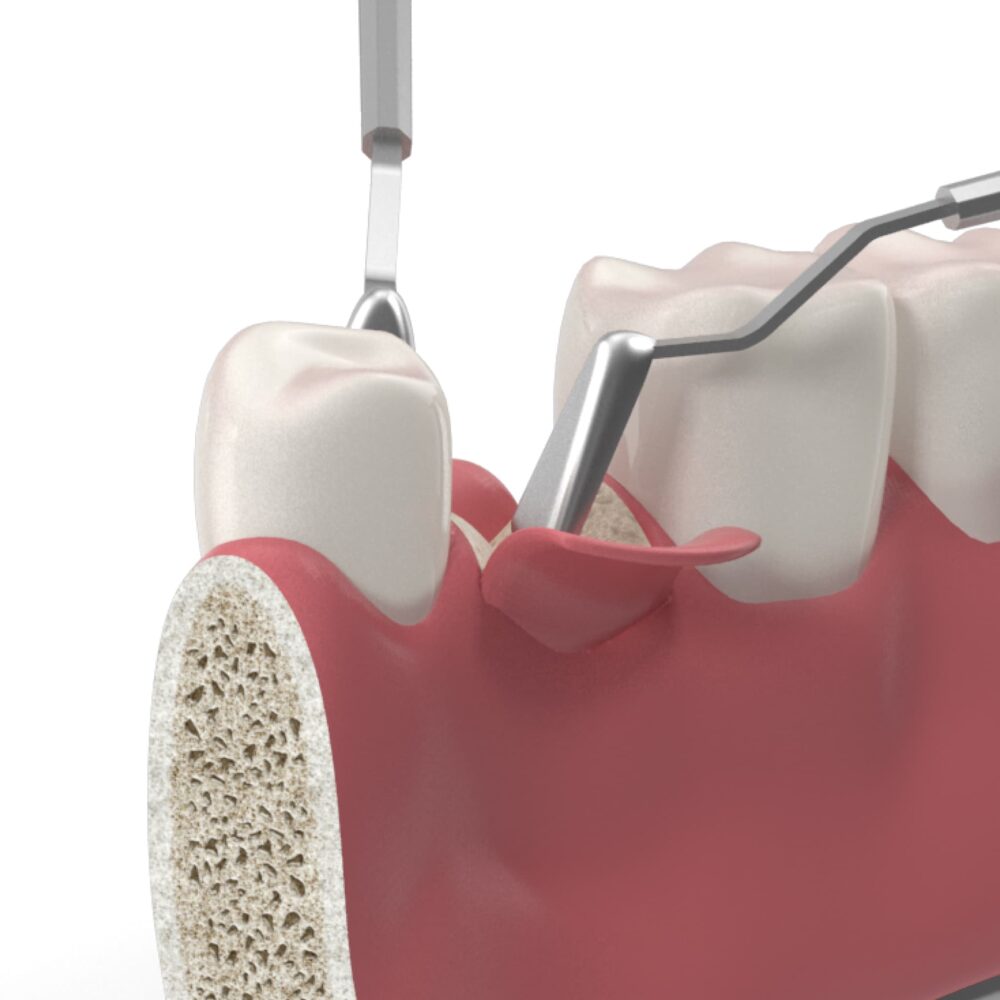
Periodontal care depends on the severity of the condition. It may involve thorough professional cleaning to remove hardened plaque and bacteria from above and below the gumline, along with tailored advice to improve brushing and flossing habits at home. In more advanced cases, deeper cleaning procedures are required to stabilise the condition. If you’re concerned about gum disease, the dentists at Melbourne Dental Clinic can refer you to a specialist periodontist and provide supportive care.


Key benefits of gum
disease treatment
Early treatment can prevent further damage, helping you avoid more complex dental procedures later on.
- Reduces gum inflammation and bleeding
- Controls infection before it progresses
- Helps stabilise loose or vulnerable teeth
- Protects the long-term health of your smile

Why choose Melbourne Dental Studio for gum disease treatment?
At Melbourne Dental Studio, we take gum health seriously — because healthy gums are the foundation of a stable, long-lasting smile. If you’re experiencing symptoms like bleeding or swelling, our approach to bleeding gums treatment focuses on identifying the cause early and controlling infection before it progresses. We offer tailored gum infection treatment designed to reduce inflammation, remove harmful bacteria, and protect the bone supporting your teeth.
Plus, we invest in the latest technology to ensure your treatment is precise and less invasive. You’ll also get clear advice and upfront costs, so you know exactly where you stand. We believe great care is built on trust; clear communication, honest pricing, and a friendly, non-judgemental approach at every step.



Aftercare and maintenance for gum disease treatment
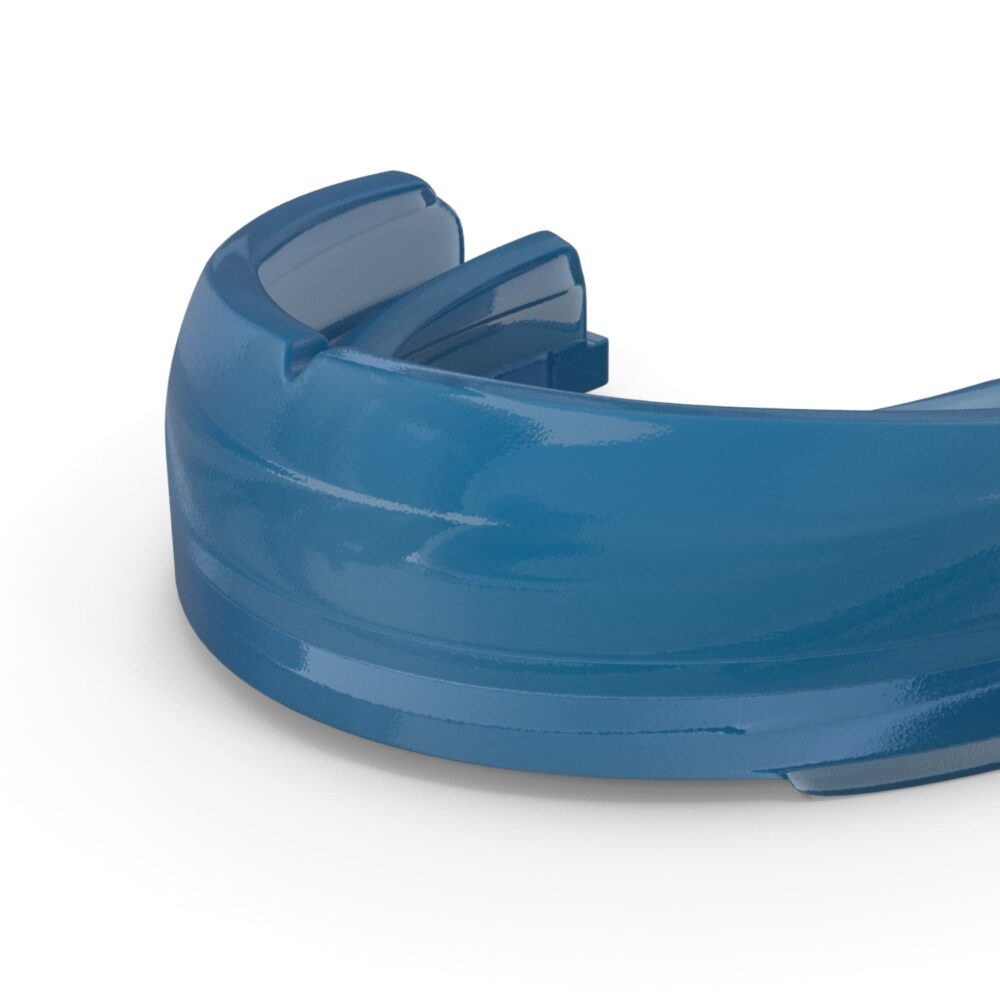
After gum disease treatment, it’s important to maintain excellent home care to support healing and prevent reinfection. Brush gently but thoroughly twice daily, floss or use interdental brushes as advised, use mouthguards when playing sport, and attend your recommended maintenance appointments so we can monitor your gum health closely.
In very rare and advanced cases where a tooth cannot be stabilised, tooth extraction may be discussed as a last resort to protect your overall oral health. This is why home care is so crucial for your smile.
Frequently asked questions about gum disease treatment
-
Early gum disease, known as gingivitis, often presents with red, swollen, or tender gums that may bleed when brushing or flossing. Persistent bad breath can also be a warning sign. At this stage, there may be little to no pain, which is why regular dental check-ups are important — problems can develop quietly before becoming more serious.
-
In its early stage (gingivitis), gum disease can often be reversed with professional cleaning and improved home care. However, once it progresses to periodontitis and begins affecting the bone supporting the teeth, it cannot be fully reversed. Treatment at this stage focuses on controlling infection and stabilising the condition to prevent further damage.
-
Most gum disease treatment is well tolerated. Standard professional cleaning typically causes minimal discomfort. For deeper cleaning procedures such as scaling and root planing, local anaesthetic may be used to keep you comfortable. Some tenderness or sensitivity can occur afterwards, but this usually settles within a few days.
-
Treatment time depends on the severity of the condition. Early-stage treatment may be completed in a standard appointment, while more advanced cases requiring deep cleaning may take multiple visits. Ongoing maintenance appointments are often recommended to keep the condition stable over time.
-
If left untreated, gum disease can progress from mild inflammation to more advanced periodontitis. This can lead to gum recession, bone loss around the teeth, loose teeth, and eventually tooth loss. Early treatment gives you the best chance of protecting your teeth and maintaining long-term oral health.
Ready to take the next step?
Whether you’re maintaining a healthy smile or exploring cosmetic treatments, we’re here to guide you with clarity and care. Book your appointment today and take the first step toward a smile that looks good, feels strong, and lasts.