- Services
- General Dentistry
Maintain a healthy, confident smile for life with comprehensive oral health services and preventive care tailored to every stage of your journey.
- Cosmetic

Explore cosmetic dental treatments designed to boost your daily confidence with subtle, natural-looking results that reflect who you are.
- Restorative
Regain full function, comfort, and confidence with advanced restorative dental solutions tailored to your unique needs.
- Specialty Care
Explore advanced dental treatments designed to restore your comfort and improve your quality of life at Melbourne Dental Studio.
- Emergency

Receive immediate, expert emergency dental care for trauma and pain with restorative solutions designed to stabilise your smile and provide lasting relief.
- General Dentistry
- Resources
- Aftercare

Fast, supportive urgent care that relieves pain quickly and restores peace of mind when you need it most.
- Finance Options

We accept major health funds, and our convenient financing options allow you to achieve the healthy, bright smile.
- Aftercare

Root Canal Treatment
What is root canal therapy?
A root canal is a dental treatment used to save a tooth that has become infected or badly inflamed on the inside.
Inside every tooth is soft tissue called the pulp, which contains nerves and blood vessels. When the pulp is damaged — often due to deep decay, a crack, trauma, or a large filling — bacteria can enter and cause infection. This can lead to pain, swelling, sensitivity, or an abscess. In the past, the solution to this type of infection was tooth extraction, which often resulted in a gappy smile or costly implant procedures. However, thanks to recent advances in dental technology, these teeth can be saved by undergoing root canal treatment.
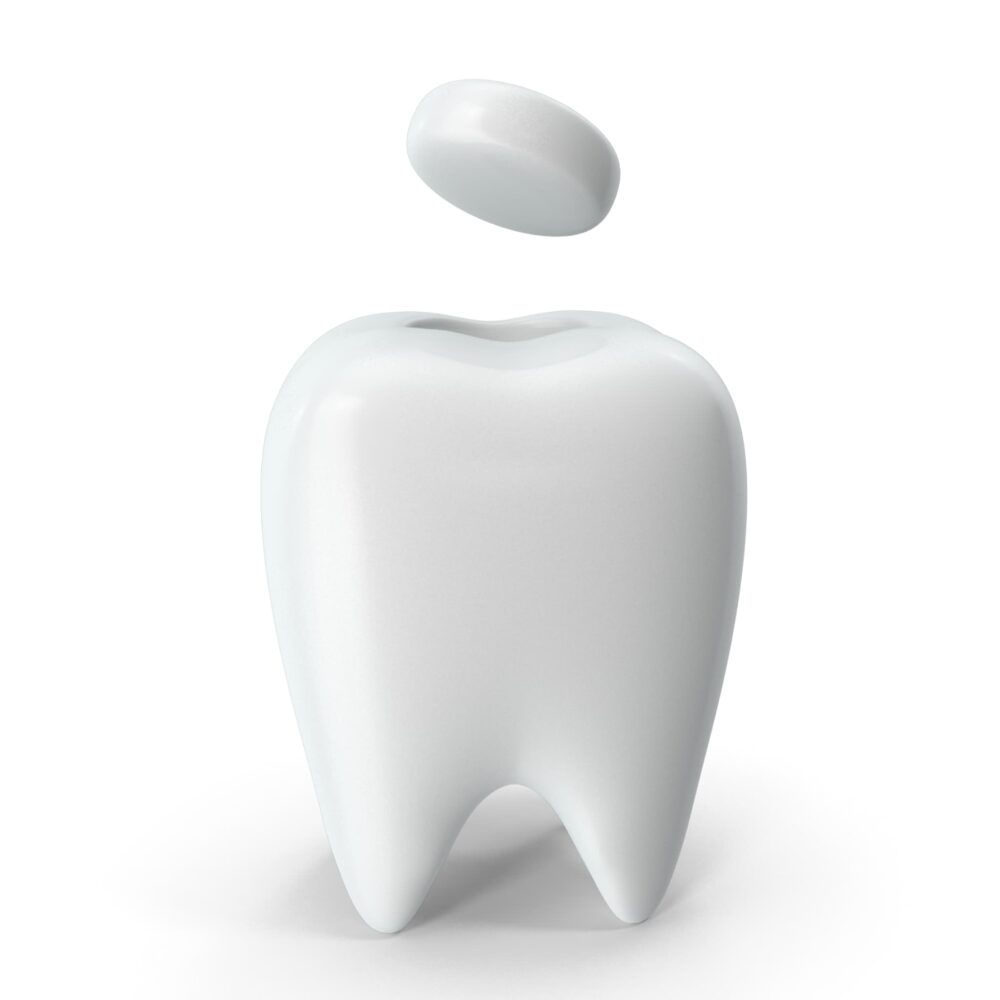
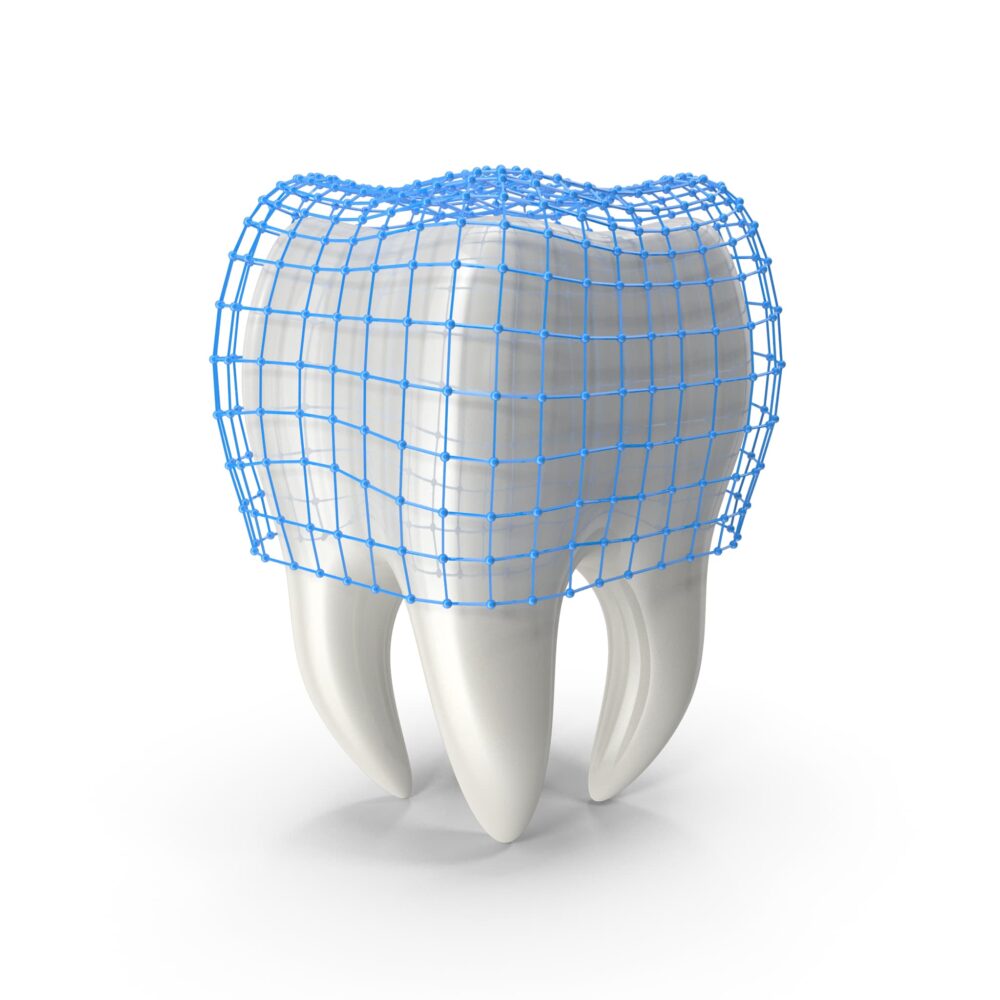
Root canal treatment removes the infected tissue, cleans and disinfects the inside of the tooth, and then seals it to prevent reinfection. In many cases, the tooth is then protected with a filling or dental crown to restore strength and function.


Key benefits of root
canal treatment
A damaged tooth will not heal itself; therefore, leaving the infected tooth untreated can lead to an abscess near the root, bone deterioration, or persistent, intense pain.
- Relieves pain and pressure caused by infection
- Saves your natural tooth from extraction
- Stops infection from spreading to surrounding teeth and bone
- Restores strength and function with the right final restoration

Why choose Melbourne Dental Studio for your root canal
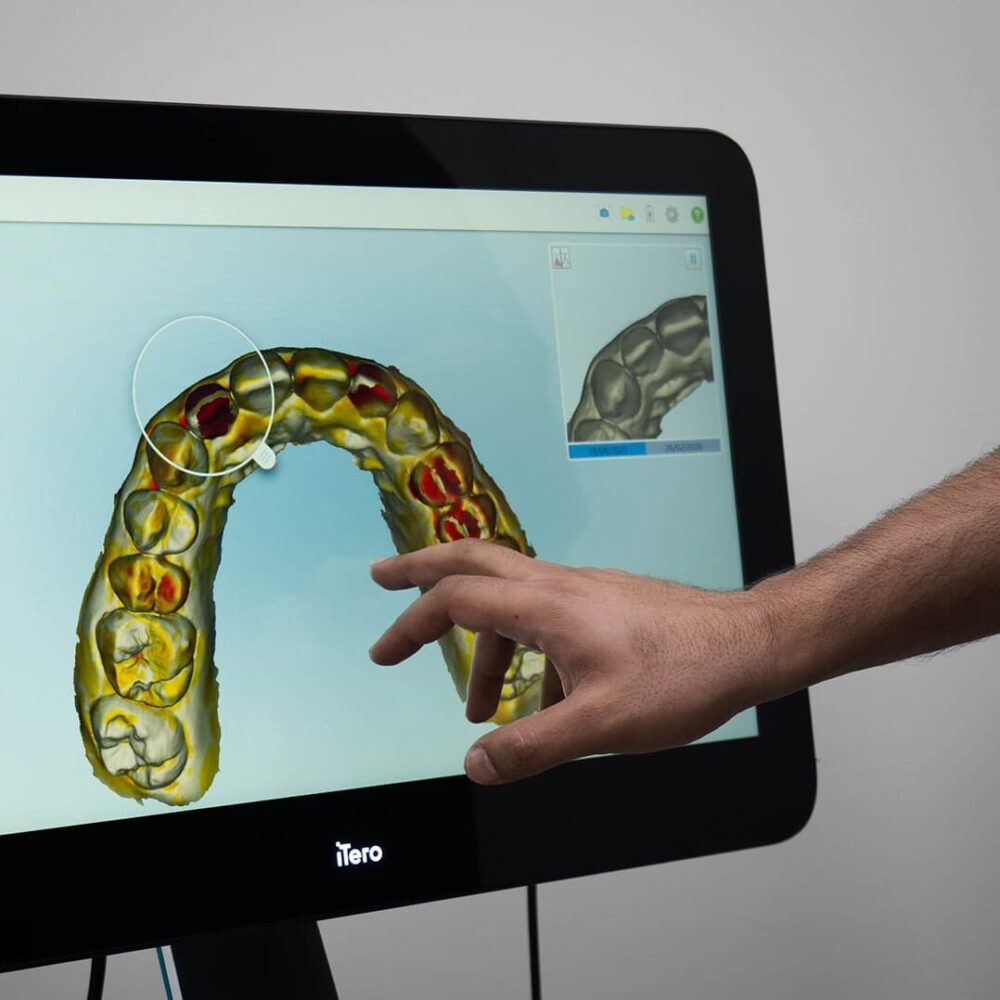
Choosing Melbourne Dental Studio means your care is thorough, clear, and designed for comfort. Your root canal dentist uses advanced imaging and modern techniques to remove infection, relieve pain, and help save your natural tooth. If you need more complex endodontic treatment, we can guide you through the process. We aim for pain-free root canal treatment wherever possible.
Offering root canal treatment in Melbourne, we invest in the latest technology to ensure your treatment is precise and less invasive. We explain every step, provide upfront quotes, and recommend the right restoration to protect the tooth long term. We believe great care is built on trust; clear communication, honest pricing, and a friendly, non-judgemental approach at every step.




Costs and packages for root canal therapy
Our root canal packages start from $1229*, Humm and Afterpay available .
Flexible Payment Plans

Aftercare and maintenance for your root canal treatment
After your root canal, it’s normal to feel some mild tenderness for a few days, especially when biting or chewing. We recommend sticking to softer foods at first and avoiding chewing on the treated tooth until it has been properly restored. Keep brushing and flossing as normal, but be gentle around the area if it feels sensitive.
If you experience increasing pain or swelling, or if the tooth feels higher when you bite, contact our team so we can review it.
Frequently asked questions about root canal therapy
-
Common signs include persistent tooth pain, sensitivity to hot or cold that lingers, pain when chewing, swelling near the gum or face, or a darkening tooth. In some cases, an abscess may form. However, symptoms vary, and sometimes there is little pain at all. The only way to know for certain is with a clinical exam and X-rays. We’ll assess the tooth carefully and explain whether root canal treatment is necessary.
-
Root canal treatment is designed to relieve pain caused by infection, not create it. The area is thoroughly numbed before we begin, so most patients feel pressure rather than pain. After the appointment, mild tenderness can occur for a few days, particularly when chewing. This usually settles with time and, if needed, over-the-counter pain relief. We’ll guide you on what to expect.
-
A root canal typically takes between 60 and 90 minutes per appointment. Some teeth can be completed in one visit, while others, particularly molars with multiple canals, may require two or more appointments. The timing depends on the tooth’s structure, the extent of infection, and how easily the canals can be cleaned and sealed properly.
-
An infected tooth will not heal on its own. Delaying treatment can allow the infection to spread, potentially leading to an abscess, bone loss around the tooth, increased swelling, or more intense pain. In more advanced cases, saving the tooth may no longer be possible. Early treatment gives you the best chance of preserving your natural tooth and avoiding more complex procedures.
-
When properly cleaned, sealed, and protected, often with a crown, a root canal-treated tooth can last many years. Long-term success depends on the quality of the final restoration, good oral hygiene, and regular dental check-ups. Like any dental treatment, it requires ongoing care to maintain strength and function over time.
Ready to take the next step?
Whether you’re maintaining a healthy smile or exploring cosmetic treatments, we’re here to guide you with clarity and care. Book your appointment today and take the first step toward a smile that looks good, feels strong, and lasts.