- Services
- General Dentistry
Maintain a healthy, confident smile for life with comprehensive oral health services and preventive care tailored to every stage of your journey.
- Cosmetic

Explore cosmetic dental treatments designed to boost your daily confidence with subtle, natural-looking results that reflect who you are.
- Restorative
Regain full function, comfort, and confidence with advanced restorative dental solutions tailored to your unique needs.
- Specialty Care
Explore advanced dental treatments designed to restore your comfort and improve your quality of life at Melbourne Dental Studio.
- Emergency
Receive immediate, expert emergency dental care for trauma and pain with restorative solutions designed to stabilise your smile and provide lasting relief.
- General Dentistry
- Resources
- Aftercare

Fast, supportive urgent care that relieves pain quickly and restores peace of mind when you need it most.
- Finance Options
We accept major health funds, and our convenient financing options allow you to achieve the healthy, bright smile.
- Aftercare

3D-Printed Fillings
What are 3D-printed fillings?
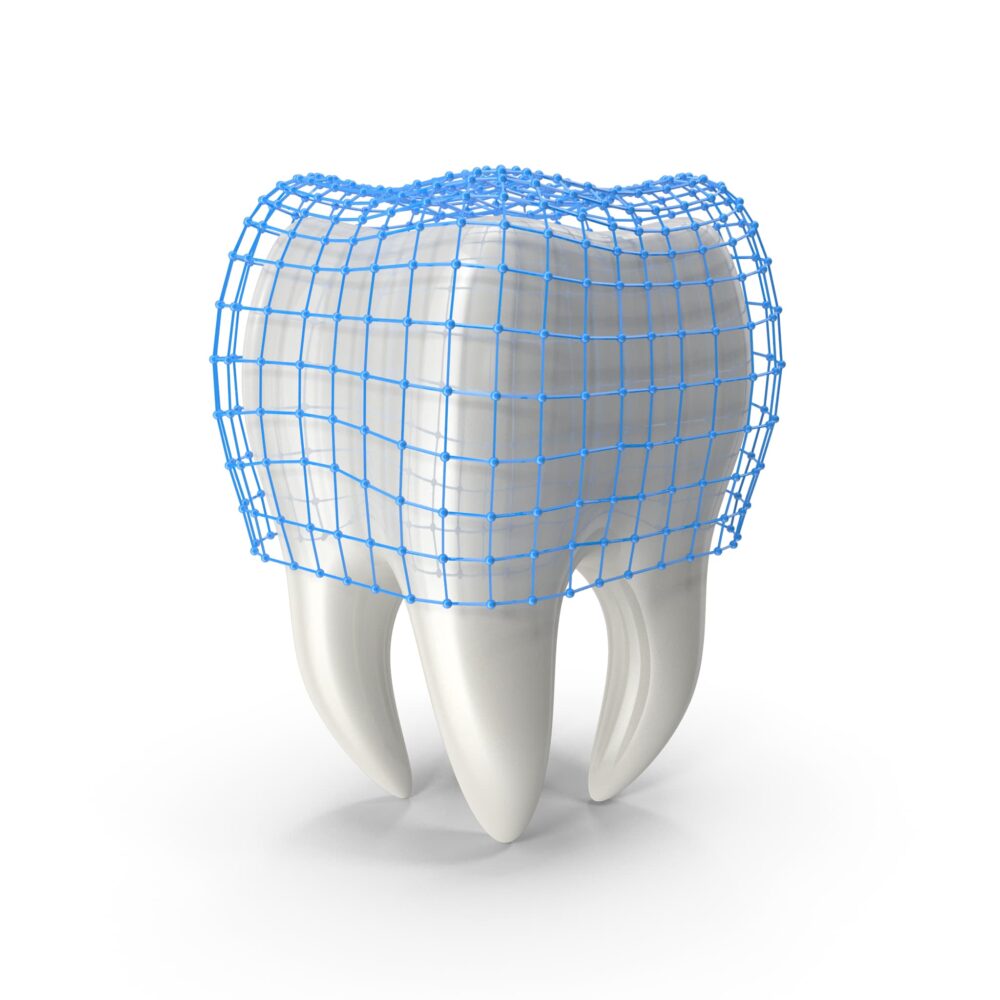
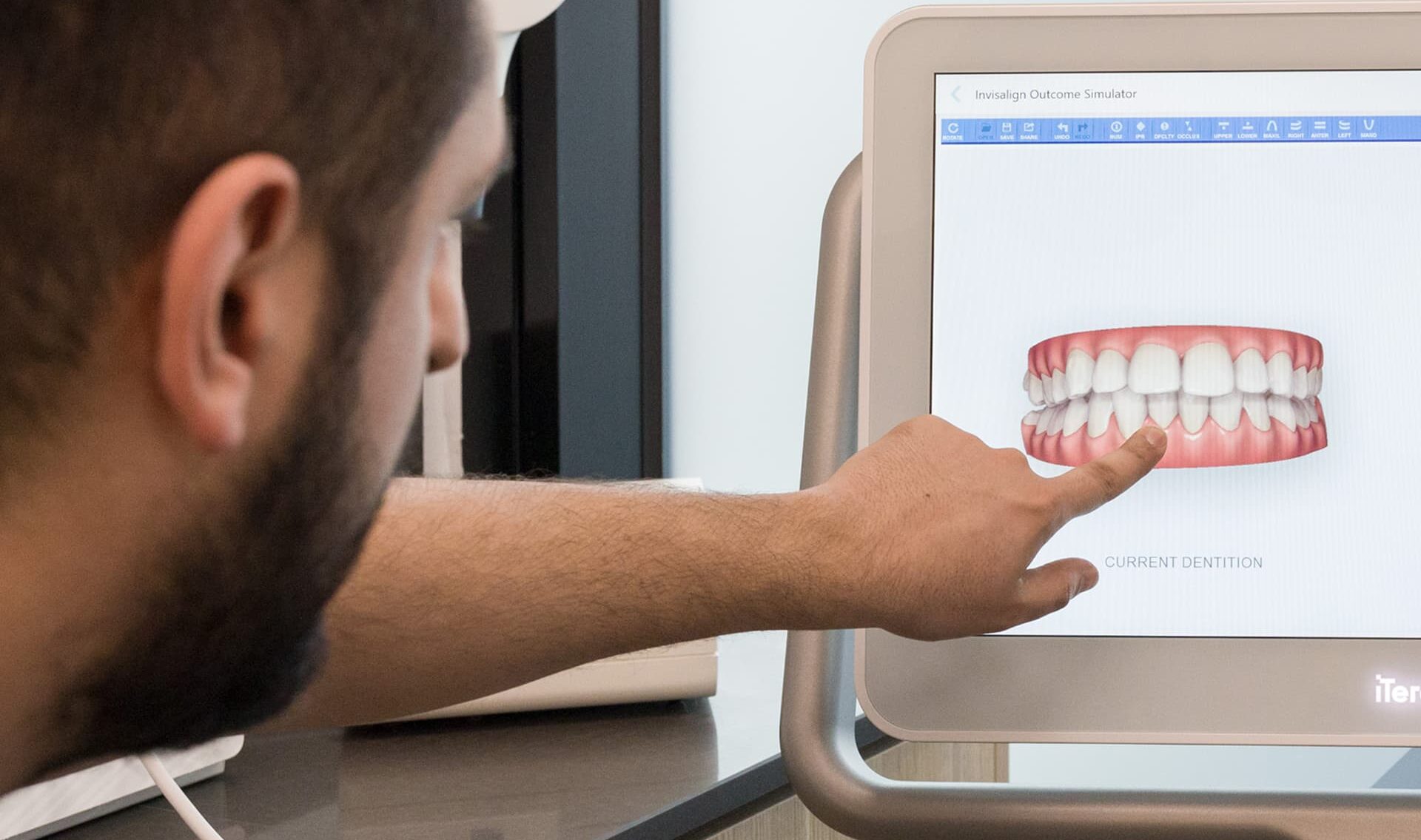
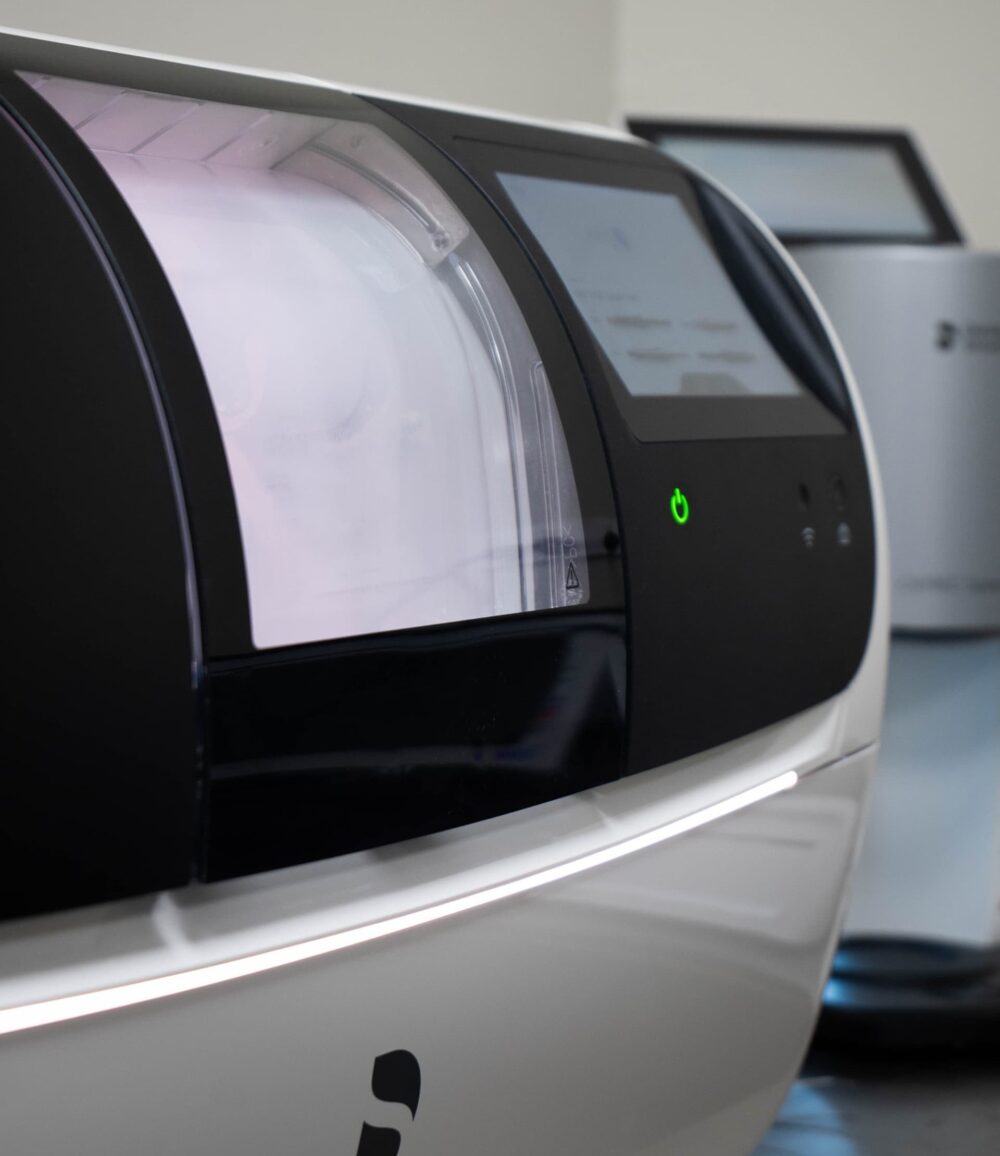
While traditional tooth fillings are shaped by hand inside your mouth, advanced dental filling technology allows us to create your restoration digitally. Using high-resolution 3D printing, we can fabricate an “inlay” or “onlay” that fits the exact dimensions of your cavity with microscopic precision.
We use 3D-printed dental restorations as a superior alternative to standard composite resin. These restorations are created using biocompatible, ceramic-reinforced resins that are cured in a highly controlled environment. This results in a tooth filling Melbourne patients find much stronger and more stain-resistant than traditional “white” fillings. By merging premium restorative materials with digital dentistry, Melbourne Dental Studio ensures your tooth is not just “plugged,” but structurally reinforced.

Key benefits 3D-printed fillings
3D-printed dental restorations offer significant advantages for long-term oral health
- Superior Strength: These restorations contain a high percentage of ceramic, making them much more resistant to wear and fracture under heavy biting forces.
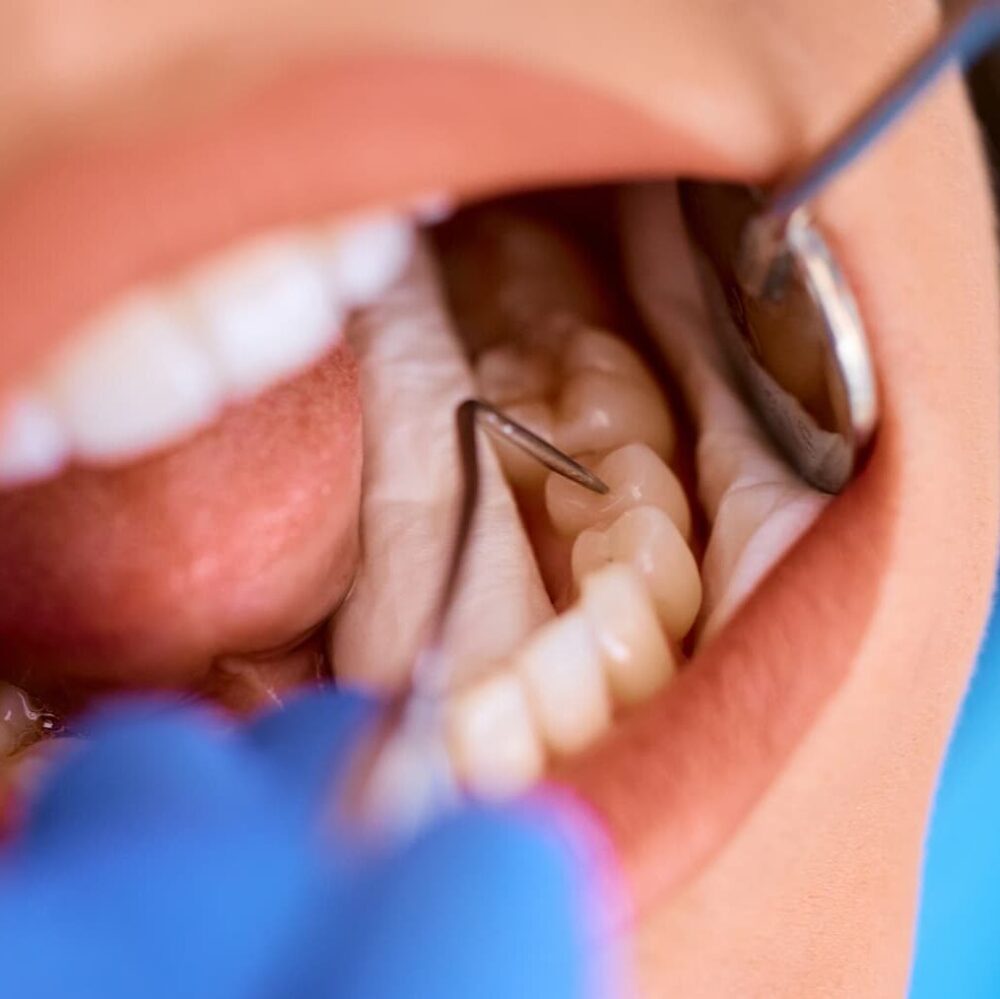
- Preserve Your Natural Smile: Because the fit is so precise, we remove only the damaged portion of the tooth. This is a far more conservative approach than traditional dental crowns.
- Perfect Fit and Seal: Digitally designed fillings reduce the risk of “marginal leakage” (the primary cause of new decay forming under an old filling).
- Aesthetic Excellence: We can match the translucency and shade of your natural enamel, making the restoration virtually invisible.
- Biocompatible and Safe: Our 3D resins are medical-grade, BPA-free, and fully cured to ensure maximum safety for your mouth.
Why choose Melbourne Dental
Studio for 3D-printed fillings
We’re proud to be at the forefront of tooth filling and cavity treatments in Melbourne. While many clinics still rely on manual techniques, our investment in 3D printing and CEREC technology allows us to provide advanced restorative dentistry that is faster and more accurate. Plus, these printed fillings are made from resins that are stronger than traditional composites. We don’t just offer a quick fix; our team provides clear guidance on which technology is best for your specific case, ensuring you feel confident in your treatment plan.
Melbourne Dental Studio invests in the latest technology to ensure every treatment we offer is precise and less invasive. You’ll always get clear advice and upfront costs, so you know exactly where you stand. We believe great care is built on trust; clear communication, honest pricing, and a friendly, non-judgemental approach at every step.

Costs and packages for 3D-printed fillings
3D-printed dental fillings in Melbourne vary in price depending on the clinic and the complexity of the procedure. Because they are more durable and fit more precisely, they often save you the cost of more extensive work down the road.
Our 3D-printed dental restorations start at $699*.
Flexible Payment Plans
getting a 3D-printed filling
Aftercare and maintenance
for your 3D-printed filling
A 3D-printed restoration is designed to last significantly longer than a standard composite filling. However, maintaining your dental fillings still requires good oral hygiene. We recommend brushing twice daily, flossing, and attending regular dental checkups & cleanings.
Because these restorations are highly polished and ceramic-reinforced, they are more resistant to plaque buildup and to coffee or wine stains than traditional resin restorations.
Frequently asked questions
about 3D-printed fillings
-
Traditional fillings are placed as a soft paste and hardened in the chair. 3D-printed dental restorations are custom-made outside the mouth to a perfect fit, then bonded in place. This makes them much stronger and less likely to shrink or ‘leak’ over time.
-
Yes. Because they are reinforced with ceramic particles and cured in a specialised machine, they have much higher “flexural strength.” This makes them ideal for large cavities on back teeth where chewing pressure is highest.
-
In many cases, yes! Our digital workflow — including 3D-printed dental restorations and CEREC — is designed to complete your treatment in a single visit.
-
Absolutely. We use TGA-approved, biocompatible resins that are specifically designed for long-term use in the mouth. The rigorous curing process ensures they are completely inert and safe.
-
Most patients requiring tooth filling and cavity treatments in Melbourne are good candidates. 3D-printed dental fillings are particularly beneficial for people with larger cavities or those who want the most natural-looking and long-lasting result possible.
-
While a standard filling might last 5–7 years, 3D printed restorations are designed for greater longevity, often lasting 10–15 years or more with excellent care.
-
Yes. Unlike flat-coloured traditional resins or silver amalgam fillings, these restorations mimic the translucency and gradient of natural teeth, making them virtually impossible to spot.
-
No. The preparation is exactly the same as a standard filling — performed under local anaesthetic — and the digital scanning process is completely non-invasive and painless.
Ready to take the next step?
Whether you’re maintaining a healthy smile or exploring cosmetic treatments, we’re here to guide you with clarity and care. Book your appointment today and take the first step toward a smile that looks good, feels strong, and lasts.

restorative treatments