A newly fitted crown — whether temporary or your final permanent restoration — is key to protecting a vulnerable tooth. While the procedure is designed to restore full function, the initial transition period requires close attention to ensure that the surrounding gum tissue and the underlying tooth structure settle properly. At Melbourne Dental Studio, we provide detailed dental crown aftercare to help you navigate everything from initial tooth cap sensitivity to long-term maintenance.
- Services
- General Dentistry
Maintain a healthy, confident smile for life with comprehensive oral health services and preventive care tailored to every stage of your journey.
- Cosmetic

Explore cosmetic dental treatments designed to boost your daily confidence with subtle, natural-looking results that reflect who you are.
- Restorative
Regain full function, comfort, and confidence with advanced restorative dental solutions tailored to your unique needs.
- Specialty Care
Explore advanced dental treatments designed to restore your comfort and improve your quality of life at Melbourne Dental Studio.
- Emergency

Receive immediate, expert emergency dental care for trauma and pain with restorative solutions designed to stabilise your smile and provide lasting relief.
- General Dentistry
- Resources
- Aftercare

Fast, supportive urgent care that relieves pain quickly and restores peace of mind when you need it most.
- Finance Options

We accept major health funds, and our convenient financing options allow you to achieve the healthy, bright smile.
- Aftercare

Whenever you’re ready, we’re here to help guide you through. Get in touch today.
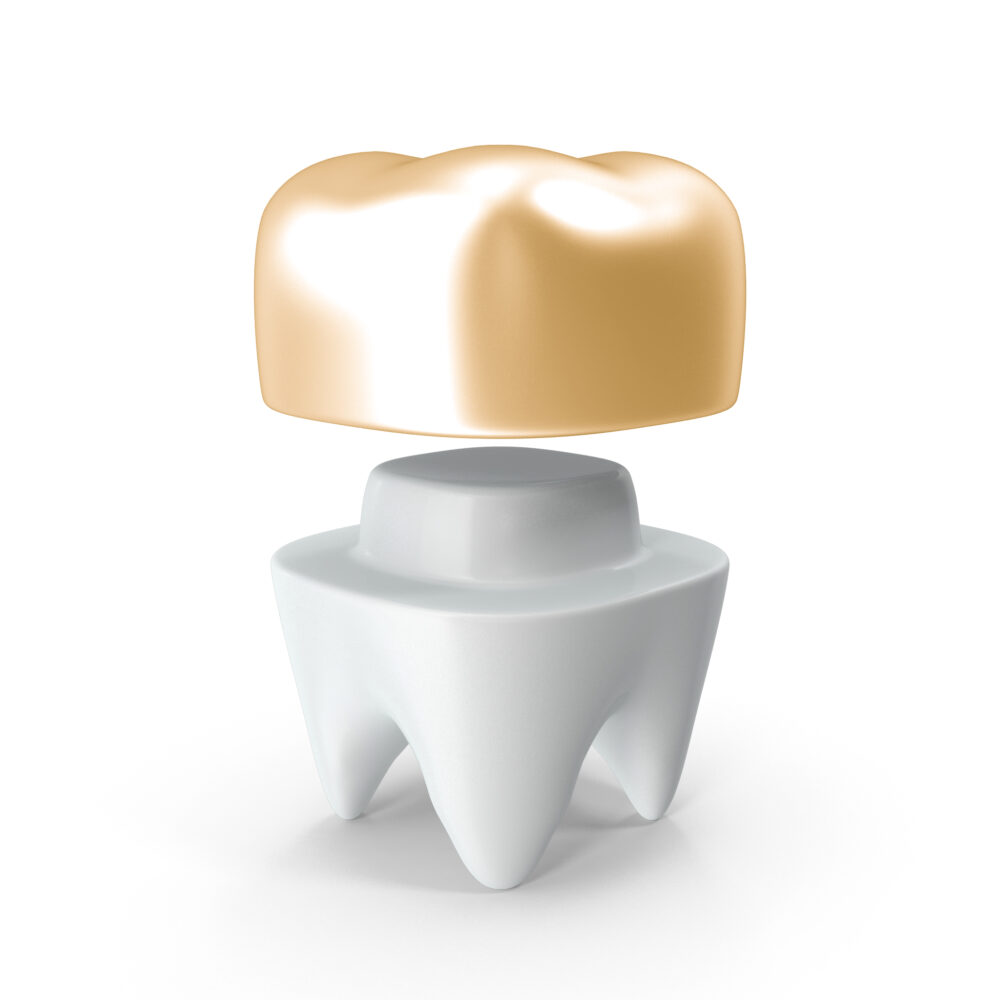
Dental Crown Aftercare
Mastering your dental crown aftercare will ensure your new restoration remains a durable, comfortable, and seamless part of your smile for years to come.
Understanding how to handle your new “cap” in the first 48 hours is the key to a successful, long-lasting result.
Navigating the temporary phase
If you are currently wearing a provisional restoration while our lab crafts your permanent one, temporary crown care is vital. These are bonded with weaker cement to allow for easy removal later, meaning they require a different approach than your final crown.
- Mindful Chewing: Avoid extremely sticky or hard foods near the temporary crown. Items like toffee or hard nuts can lead to a crown falling off prematurely.
- Flossing Technique: When flossing around a temporary, do not pull the floss back up through the contact point. Instead, slide the floss out sideways to avoid catching the edge of the temporary and lifting it.
- Immediate Action: If your temporary does come loose or falls off, please contact us immediately. Leaving the prepared tooth exposed can lead to sensitivity or slight shifting that might affect the fit of your final permanent crown.
Adapting to your permanent crown
Once your permanent ceramic or zirconia crown is bonded, the focus shifts to structural integration. While the material is incredibly strong, the tooth beneath and the ligaments surrounding it need time to adjust.
- Temperature & Pressure Awareness: It is common to experience mild tooth cap sensitivity to cold or hot temperatures for several days. This occurs as the tooth’s nerve settles after preparation and bonding.
- Gum Recovery: You may notice slight tenderness or redness in the gum tissue around the base of the crown. This is a normal reaction to the placement process and should resolve within a few days with gentle brushing.
- The “Bite” Test: Once the anaesthetic wears off, pay close attention to how your teeth meet. If the crown feels like it is hitting “first” or prevents your other teeth from touching properly, it may need a fractional adjustment to prevent jaw strain or inflammation.
The importance of oral hygiene
Maintaining a thorough cleaning routine is essential. Even though a dental crown itself cannot decay, the natural tooth and gums supporting it are still vulnerable. Brushing twice a day and flossing around your restorations prevents new issues from developing.
Frequently asked questions about dental crown aftercare
-
If your bite feels uneven or “high” after the numbness dissipates, it is often because the jaw was open for an extended period or the nerve was desensitised during fitting. If this sensation persists for more than 24 hours, contact our team; a tiny tweak to the crown surface can resolve the discomfort and protect the restoration.
-
For a permanent crown, you can generally return to chewing gum once the final cement has fully cured (usually within 24 hours). However, we strongly advise against chewing gum with a temporary crown, as the suction can easily dislodge the temporary bond and lead to the crown falling off.
-
Yes, lingering tooth cap sensitivity to temperature is a standard response as the internal nerve adjusts to the new material. If the sensitivity is sharp and subsides quickly, it is likely part of the normal healing phase; if it becomes a spontaneous, throbbing ache, please reach out for a review.
-
Focus on gentle hygiene and a “soft” diet on that side of your mouth. Brush the area thoroughly but gently to keep the gumline healthy, and always pull floss out through the side rather than upward to ensure the temporary remains securely in place until your next visit.
Got a question or issue with your recovery?
We’re here to help
or call 1300 555 009
Book Appointment
Got a question about one of our treatments?
Whenever you’re ready, we’re here to help guide you through. Get in touch today and take the first step toward a stronger, natural-looking smile with Melbourne Dental Studio.