Leaving the studio with a completed bridge is a significant milestone in restoring your oral function and confidence. While it is an exciting step toward a complete smile, the first few days with a new prosthetic can feel strange as your bite and tongue adjust to the new structure. At Melbourne Dental Studio, we make sure you get clear guidance on dental bridge aftercare. We’re here to help you protect your investment and maintain the health of the teeth supporting the new bridge.
- Services
- General Dentistry
Maintain a healthy, confident smile for life with comprehensive oral health services and preventive care tailored to every stage of your journey.
- Cosmetic

Explore cosmetic dental treatments designed to boost your daily confidence with subtle, natural-looking results that reflect who you are.
- Restorative
Regain full function, comfort, and confidence with advanced restorative dental solutions tailored to your unique needs.
- Specialty Care
Explore advanced dental treatments designed to restore your comfort and improve your quality of life at Melbourne Dental Studio.
- Emergency

Receive immediate, expert emergency dental care for trauma and pain with restorative solutions designed to stabilise your smile and provide lasting relief.
- General Dentistry
- Resources
- Aftercare

Fast, supportive urgent care that relieves pain quickly and restores peace of mind when you need it most.
- Finance Options

We accept major health funds, and our convenient financing options allow you to achieve the healthy, bright smile.
- Aftercare

Whenever you’re ready, we’re here to help guide you through. Get in touch today.
Dental Bridge Aftercare
Mastering your dental bridge aftercare ensures your new restoration remains strong, comfortable, and seamlessly integrated into your smile for years to come.
By taking intentional steps during the first few weeks, you can ensure your bridge feels like a natural part of your mouth.
Adapting to your new smile
The first few days with a bridge are a period of sensory adjustment. Because your new restoration is a single, solid piece anchored to two or more points, your jaw and tongue need time to recalibrate.
- The “Spanning” Sensation: It is completely normal for the bridge to feel “tight” or for the anchor teeth to feel slightly tender for the first 48 hours. This is simply the supporting teeth and ligaments adjusting to their new role as pillars for the prosthetic.
- Speech and Tongue Space: You might notice your tongue “searching” for the new structure, or a slight change in your speech (specifically “s” and “t” sounds). This usually resolves within 24–72 hours as your brain and mouth muscles learn to coordinate with the new prosthetic.
- Temperature Sensitivity: Since the anchor teeth are prepared to fit the crowns, they may be initially sensitive to cold drinks or firm pressure. This is a common reaction as the nerve adjusts to the new ceramic or zirconia material and typically fades within a few days.
- The “High” Bite: If your bite feels “high” or uneven once the numbness wears off, it’s often because the jaw was open for a long period or held in a different position while numbed. If this sensation persists past the first 24 hours, don’t hesitate to reach out; a fractional adjustment to the dental bridge can make a world of difference in your long-term comfort.
Cleaning under dental bridge structures
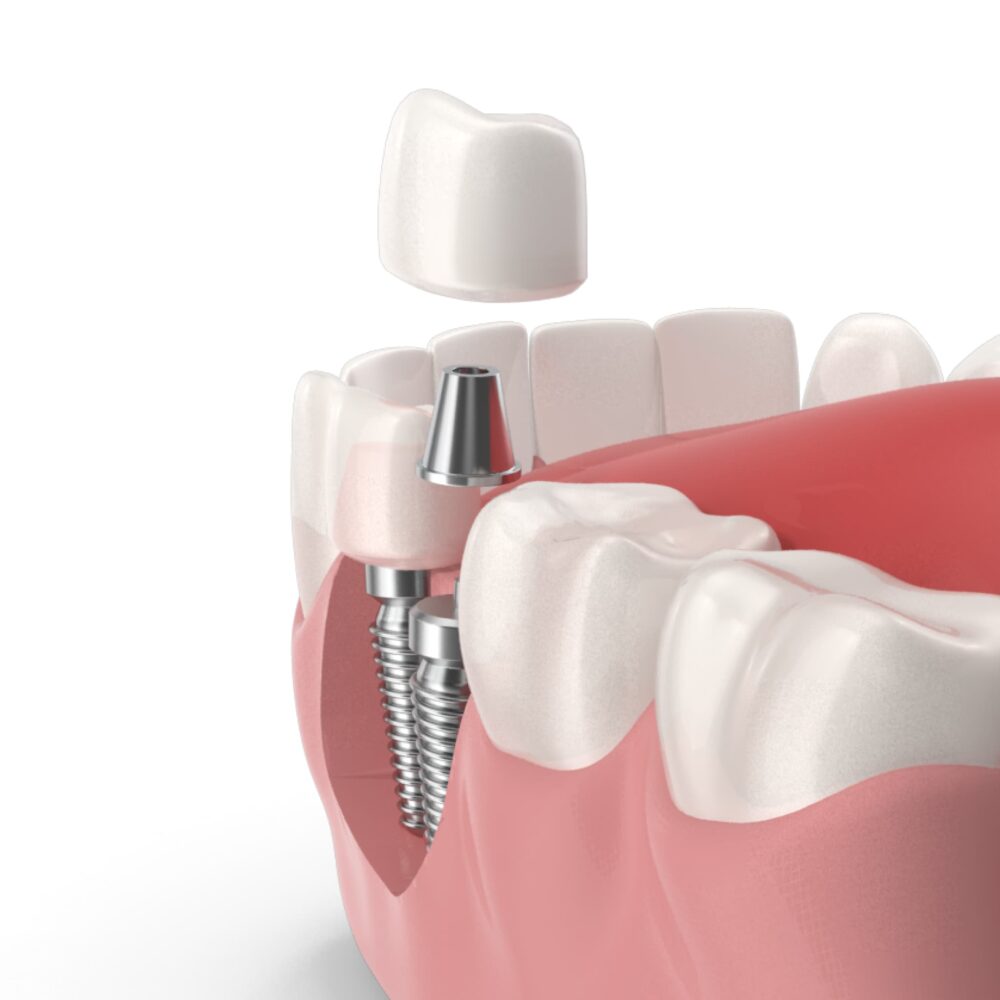
The key to bridge longevity is maintaining the health of the “abutment” teeth — the technical term for natural teeth on either side that anchor the bridge. Even though the bridge itself cannot decay, the natural teeth and gums supporting it are still vulnerable. This is true even though the abutment teeth have been fitted with dental crowns.
Cleaning under dental bridge gaps requires more than standard brushing. Because the prosthetic tooth sits just above the gumline, you must use specialised tools to clean underneath the bridge daily:
- Interdental Brushes: These are often the most efficient way to clear debris from the space between the bridge and the gums, where a regular toothbrush cannot reach.
- Water Flossers: High-pressure water can help flush out hard-to-reach areas, ensuring your dental bridge aftercare routine is thorough.
- Use a Bridge Threader: Follow these bridge threader instructions:
- The bridge threader has a needle-like loop that helps you guide the floss under your bridge, at the gum line. It’s not sharp; it just helps you position the floss.
- When the floss is in position, remove the threader. Use the floss in a C-shape around the adjacent teeth, sliding it up and down and slightly beneath the gum line.
- Move the floss back and forth along the underside of the pontic to remove debris.
Frequently asked questions about dental bridge aftercare
-
Since a bridge is a single, connected unit, you cannot floss “down” through the contact points as you would with natural teeth. You must use a floss threader or specialised “super floss” to slide the thread under the bridge, allowing you to wrap it around the anchor teeth and sweep away plaque from the gum line.
-
While your bridge is designed to be durable, you should avoid extremely sticky foods that could potentially loosen the dental cement. Additionally, biting down on very hard objects, such as ice, can chip the ceramic, so we recommend being mindful during the first few weeks of use.
-
Yes. Initially, your tongue may “search” for the new restoration, and your speech might feel slightly different for 24–48 hours as your brain coordinates with the new prosthetic. However, our premium bridges are shaped to mimic natural tooth anatomy, and most patients find they feel completely natural within a few days.
-
Cleaning under dental bridge structures is best achieved with interdental brushes or a water flosser. You must also floss daily to maintain the health of abutment teeth, and scoop out any debris from the gap underneath. It is vital to remove bacteria from this area daily, as the anchor teeth are still susceptible to decay at the margin where the bridge meets the natural tooth.
Got a question or issue with your recovery?
We’re here to help
or call 1300 555 009
Book Appointment
Got a question about one of our treatments?
Whenever you’re ready, we’re here to help guide you through. Get in touch today and take the first step toward a stronger, natural-looking smile with Melbourne Dental Studio.