Having a tooth removed often feels like a major relief, especially if you’ve been dealing with constant pain or crowding. However, the work doesn’t stop once you leave the chair! At Melbourne Dental Studio, we want to ensure your recovery has as few hiccups as possible — so make sure to read our tooth extraction aftercare advice so you can transition back to your daily life without unnecessary complications.
- Services
- General Dentistry
Maintain a healthy, confident smile for life with comprehensive oral health services and preventive care tailored to every stage of your journey.
- Cosmetic

Explore cosmetic dental treatments designed to boost your daily confidence with subtle, natural-looking results that reflect who you are.
- Restorative
Regain full function, comfort, and confidence with advanced restorative dental solutions tailored to your unique needs.
- Specialty Care
Explore advanced dental treatments designed to restore your comfort and improve your quality of life at Melbourne Dental Studio.
- Emergency

Receive immediate, expert emergency dental care for trauma and pain with restorative solutions designed to stabilise your smile and provide lasting relief.
- General Dentistry
- Resources
- Aftercare

Fast, supportive urgent care that relieves pain quickly and restores peace of mind when you need it most.
- Finance Options

We accept major health funds, and our convenient financing options allow you to achieve the healthy, bright smile.
- Aftercare

Whenever you’re ready, we’re here to help guide you through. Get in touch today.
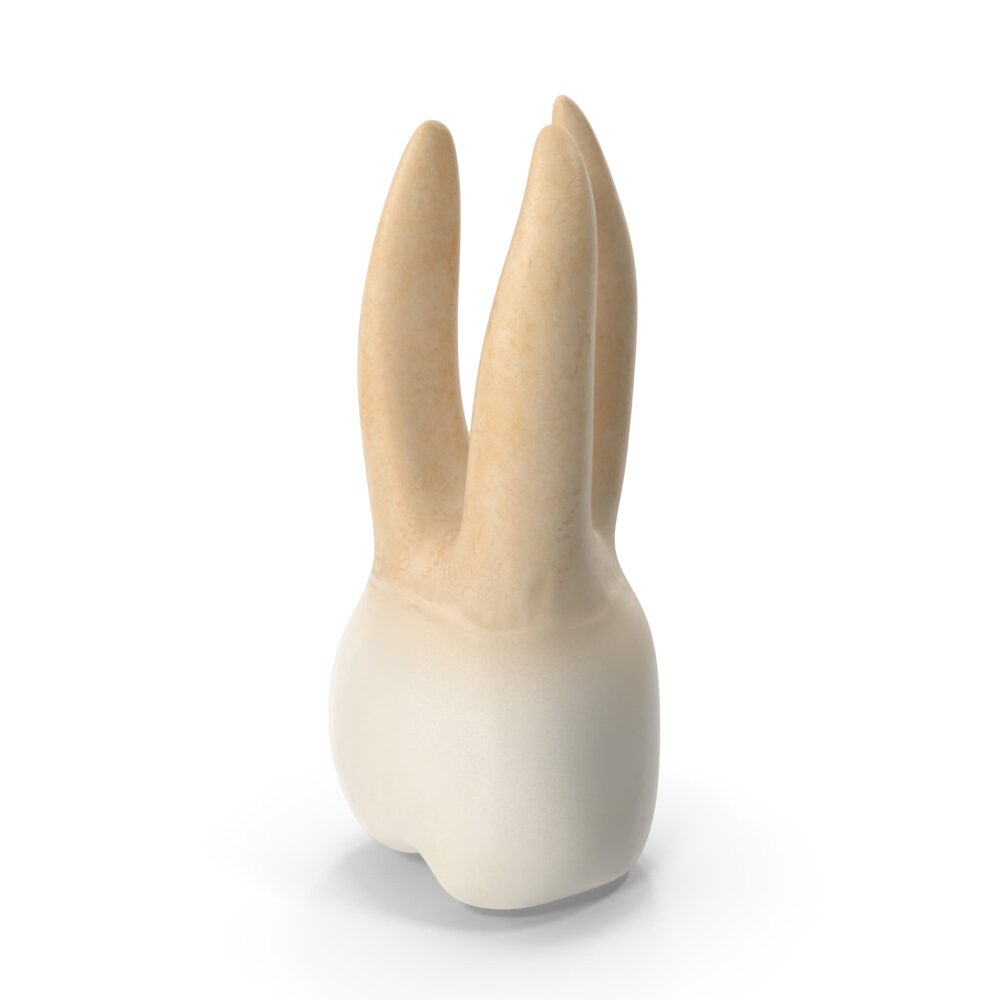
Tooth Extraction Aftercare
Understanding how to protect the treated area is essential for a comfortable recovery and successful extraction site healing.
Taking the right precautions from the start protects the area and helps you get back to your routine faster.
Dry socket prevention
The main goal of tooth extraction aftercare during the first 24 to 48 hours is to protect the blood clot that forms in the socket. This clot acts as a protective “scab” for the underlying bone and nerves; if it is dislodged, it can lead to a painful condition known as dry socket.
For the next few days — especially the first 24 hours — it is vital to allow your body to form a good clot. To ensure effective dry socket prevention, please follow these guidelines:
- Do not disturb the area: Avoid swishing, sucking through a straw, or poking the site with your tongue or toothpicks.
- Chew with care: Be sure to chew on the opposite side of your mouth for at least 24 hours.
- Avoid smoking: Smoking significantly reduces healing, and the suction can dislodge the clot, leading to a painful dry socket infection.
- Rest: Avoid strenuous activities for the remainder of the day to keep your blood pressure low and reduce bleeding.
Medication and special cases
Maintaining good hygiene is vital, but it must be done gently:
- Pain relief: Some discomfort is normal after a tooth extraction. Take your regular non-aspirin pain relief every 3 to 4 hours, ideally before the anaesthesia wears off.
- Prescription medication and antibiotics: If prescribed medication as part of your dental treatment aftercare, take the full course as directed. Note that some antibiotics can reduce the effectiveness of birth control pills. Use alternate birth control methods for two months.
- Sinus care: If your sinus was involved, avoid blowing your nose or playing wind instruments for one week.
Frequently asked questions about tooth extraction aftercare
-
You should stick to soft foods for the first 48 hours to avoid irritating the wound. Once the initial healing phase has passed, you can gradually reintroduce solid foods, provided you continue to chew on the opposite side of the extraction site until it feels fully healed.
-
Minor oozing is normal for the first 24 hours and can make your saliva look red. If bleeding is heavy, apply firm pressure with a clean gauze or a tea bag for 30 minutes. If you can’t control the bleeding, please contact us immediately.
-
A healthy blood clot typically looks like a dark-coloured, jelly-like mass inside the socket. This is a crucial “scab” that protects the bone and nerves. If the socket looks empty or you see exposed white bone, contact us for a follow-up.
-
Dry socket prevention is best achieved by avoiding anything that creates suction in the mouth (e.g., straws, smoking) and by steering clear of vigorous rinsing. Keeping the blood clot undisturbed is the most important factor for dry socket prevention.
Got a question or issue with your recovery?
We’re here to help
or call 1300 555 009
Book Appointment
Got a question about one of our treatments?
Whenever you’re ready, we’re here to help guide you through. Get in touch today and take the first step toward a stronger, natural-looking smile with Melbourne Dental Studio.