- Services
- General Dentistry
Maintain a healthy, confident smile for life with comprehensive oral health services and preventive care tailored to every stage of your journey.
- Cosmetic

Explore cosmetic dental treatments designed to boost your daily confidence with subtle, natural-looking results that reflect who you are.
- Restorative
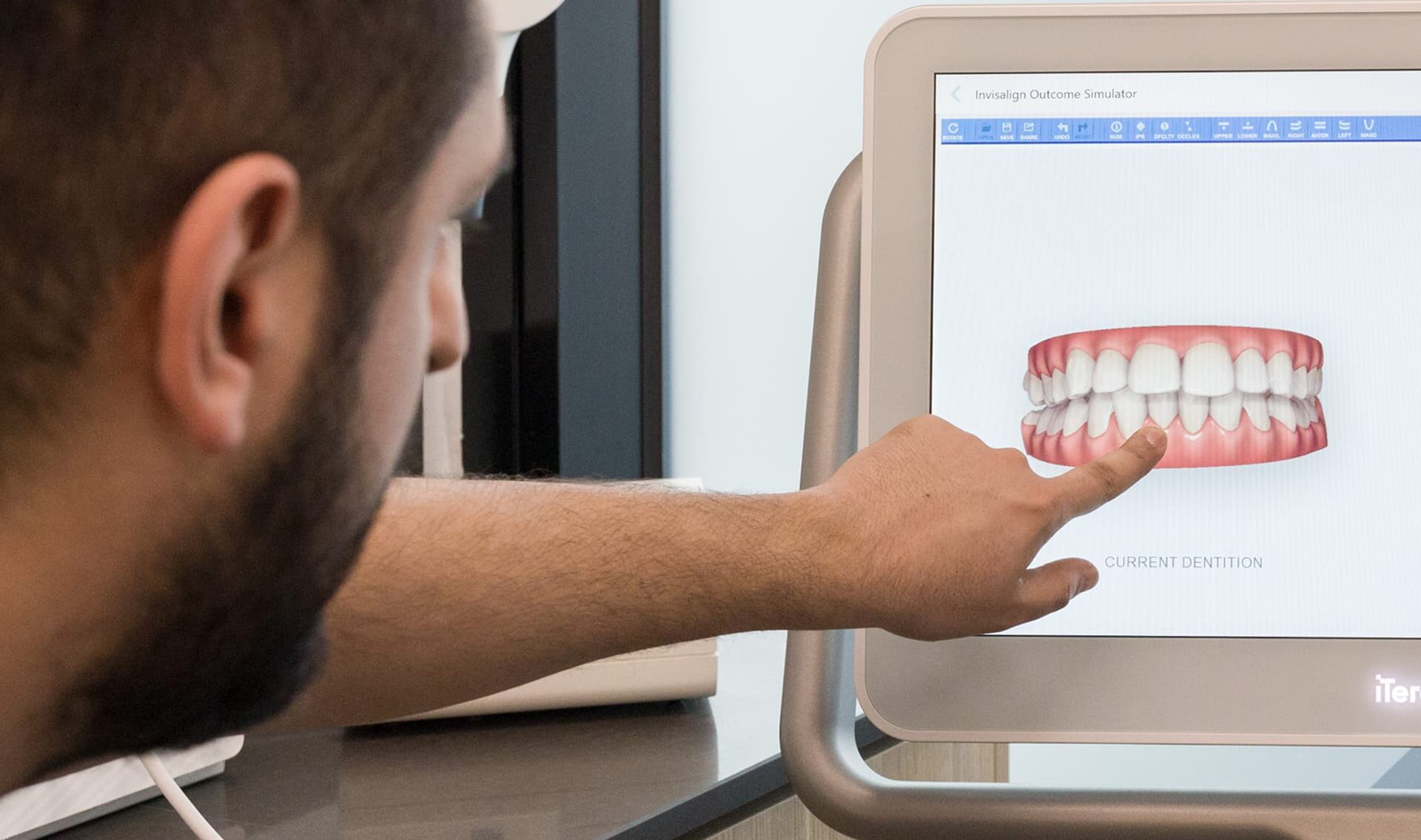
Regain full function, comfort, and confidence with advanced restorative dental solutions tailored to your unique needs.
- Specialty Care
Explore advanced dental treatments designed to restore your comfort and improve your quality of life at Melbourne Dental Studio.
- Emergency

Receive immediate, expert emergency dental care for trauma and pain with restorative solutions designed to stabilise your smile and provide lasting relief.
- General Dentistry
- Resources
- Aftercare

Fast, supportive urgent care that relieves pain quickly and restores peace of mind when you need it most.
- Finance Options

We accept major health funds, and our convenient financing options allow you to achieve the healthy, bright smile.
- Aftercare

Home Relief Of Tooth Pain
Toothaches often come at the most frustrating times. Whether it’s a dull, persistent ache that makes a busy workday drag on longer or a sudden flare-up when you’re trying to sleep, dental discomfort has a way of sneaking up on you.
But you shouldn’t have to tough out severe dental pain. It’s important to act quickly to prevent the discomfort — and the potential infection behind it — from getting worse. Read our guide on how to relieve a toothache at home, including safe remedies, handy tips, and knowing when you need to go to a dentist.
Simple, Dentist-Approved Toothache Remedies at Home
Before heading out to the shops, keep in mind you likely already have a few items at home that can help with mild pain. Here are some dentist-approved toothache remedies that can alleviate the pressure and soothe irritated tissue:
- Warm saltwater rinse: Saltwater acts as a natural disinfectant and helps draw out fluid from swollen gums. Mix half a teaspoon of table salt into a glass of warm water, swish gently for 30 seconds, and spit out.
- Cold compress: If you notice visible swelling or physical trauma to the jaw, hold a towel-wrapped ice pack against your cheek for 15–20 minutes. The cold constricts local blood vessels, dulling sharp nerve impulses and taking the edge off pain.
- Gentle flossing: Sometimes, acute pain is caused by something as simple as a stubborn piece of food wedged tightly between teeth or along the gumline. Carefully pass a piece of dental floss between your teeth to ensure there isn’t localised pressure from trapped debris.
- Diluted hydrogen peroxide rinse: For sensitive or bleeding gums, a 3% hydrogen peroxide solution diluted and mixed with equal parts water can help kill bacteria and soothe inflammation. Swish gently and spit out thoroughly — never swallow it.
A quick warning: Avoid placing aspirin or any painkiller directly against your gums or tooth. Contact with raw aspirin causes chemical burns on sensitive oral tissues, making your discomfort a lot worse.
Should You Take Ibuprofen or Paracetamol for Severe Dental Pain in Australia?
Navigating the pharmacy aisle with a throbbing jaw can feel overwhelming. Here is a quick comparison between two popular pain relief medications: Ibuprofen and Paracetamol, if you’re ever unsure.
- Ibuprofen (Non-Steroidal Anti-Inflammatory): Since most dental pain is rooted in nerve or tissue inflammation, anti-inflammatory medications like ibuprofen are generally considered the best pain relief for toothaches in Australia. They target both the nerve signalling and the surrounding swelling.
- Paracetamol (Analgesic): Paracetamol works primarily on pain perception in the central nervous system. While helpful, it doesn’t reduce localised tissue swelling on its own.
Always follow dosage instructions on the packet and consult a pharmacist or doctor to ensure these medications are safe for your individual health profile.
How to Stop Severe Throbbing Tooth Pain and Manage Swelling
When discomfort escalates into deep, relentless pressure, this typically indicates that the blood vessels inside the tooth’s nerve chamber or surrounding tissues are swollen and trapped inside a hard enamel shell.
How to Reduce Swelling from a Tooth Infection at Home
- Keep your head elevated: Prop yourself up with extra pillows, especially when sleeping. Lying flat increases blood pressure in your head, which intensifies the throbbing pain.
- Use continuous cold therapy: Apply a cold compress to the outside of your face in short 15-minute intervals.
- Avoid extreme temperatures: Stick to lukewarm, soft foods and fluids. Icy cold water, ice cream, or hot drinks and soups can trigger intense nerve spasms.
It’s vital to know that while these steps soften the pain, they cannot clear a deep infection.
Can a Toothache Go Away on Its Own?
It’s tempting to hope that if you ignore a toothache long enough, it will simply vanish.
Occasionally, a mild ache caused by temporary gum irritation or trapped food will resolve once the area is properly cleaned. However, if a toothache disappears suddenly after days of severe throbbing, it usually means the underlying problem still needs to be addressed. In this situation, it’s likely the nerve inside the tooth has just died — so you may no longer feel the pain even if there is still damage happening behind the scenes. The underlying infection remains active inside the jawbone and will continue to progress quietly unless treated.
Moving Beyond Temporary Relief to Lasting Comfort
Managing pain at home can get you by temporarily, but resolving the root cause is key.
At Melbourne Dental Studio, we understand that visiting the dentist can bring up feelings of anxiety. That’s why we’ve completely redesigned the experience. We take the time to listen to your concerns, thoroughly check your teeth, and provide gentle care tailored to your needs.
Depending on what is triggering your pain, long-term relief may involve:
- Addressing decay with long-term tooth fillings that blend seamlessly with your teeth.
- Clearing deep internal infections with prompt emergency root canal treatment designed to save your natural tooth structure.
- Exploring comfortable, safe tooth extraction options if a tooth is damaged beyond repair.
When to See an Emergency Dentist
While finding temporary tooth pain relief can help you get through the night or manage until your appointment, it’s important to remember that home care is a bridge to a solution, rather than the fix itself. If you experience any of the following symptoms alongside your toothache, see an emergency dentist right away:
- Swelling that extends to your cheek, eye, neck, or jawline
- A high fever or feeling generally unwell beyond the pain
- Difficulty swallowing or breathing
- Double vision or loss of vision
As one of the leading emergency dental clinics in Melbourne, we know that a severe toothache can come without warning — so we keep slots open in all our locations for last-minute bookings.
Book an appointment with the Melbourne Dental Studio team, or give us a call to discuss how we can help you ease the pain.
Continue Reading